When I was initially diagnosed with having uterine fibroids -confirmed as the cause of my heavy periods – the discussion immediately jumped to medication or surgical treatments: hormonal contraceptives, myomectomy, hysteroscopy and hysterectomy.
What was not discussed? An in-depth review of my sugar levels, a deeper dive into my nutritional diet or any conversation around hormonal imbalances and stress management. Instead, I have felt poked and prodded during invasive internal vaginal scans, gaslit when questioning the root cause, and ultimately, abandoned and neglected.
“In the years since my diagnosis, I’ve learned that my experience is far from unique. There was so much I had to discover on my own.”
Let me make this clear: this post is not to bash all doctors. There are many amazing doctors out there who are actively helping and supporting women by providing awareness and guidance to save their uterus and reclaim their lives. My intention is to create a safe space where we can use our community to fill the gaps that were left wide open.
My recent experience with healthcare has been slightly different and is progressing in a positive direction, but I’m still very much taking control of my health at home. The major difference? I am now navigating going private healthcare outside of London (but more on that later).
Beyond the ultrasound: Understanding the “Why”

Wish #1: I wish they had explained the potential root causes. Doctors often treat the symptom (the fibroid) but don’t discuss what could be fuelling its growth. Through my own research, I’ve learned that fibroid growth can be linked to factors like estrogen dominance, insulin resistance, environmental toxins and chronic stress.
Wish #2: I wish they had discussed diet and lifestyle. I’m not teaching anyone how to suck eggs, but with any ailment, the first approach should be to understand what the body is trying to say. What is my menstrual cycle communicating? Instead of jumping to medication or surgery, I wish the first line of action had been to explore nutritional changes, reducing xenoestrogen and managing stress holistically. This approach could rebuild the doctor- patient relationship, which becomes tarnished when trust is broken after multiple failed procedures.
Wish #3: I wish “watch and wait” came with a proactive plan. Being put on a waiting list for surgery with no interim plan is agonising. “Wait” feels passive and anxious. It should mean, “Let’s monitor you while we proactively support your body’s health through supplements, dietary changes, and stress management.”
Informed consent is more than a signature
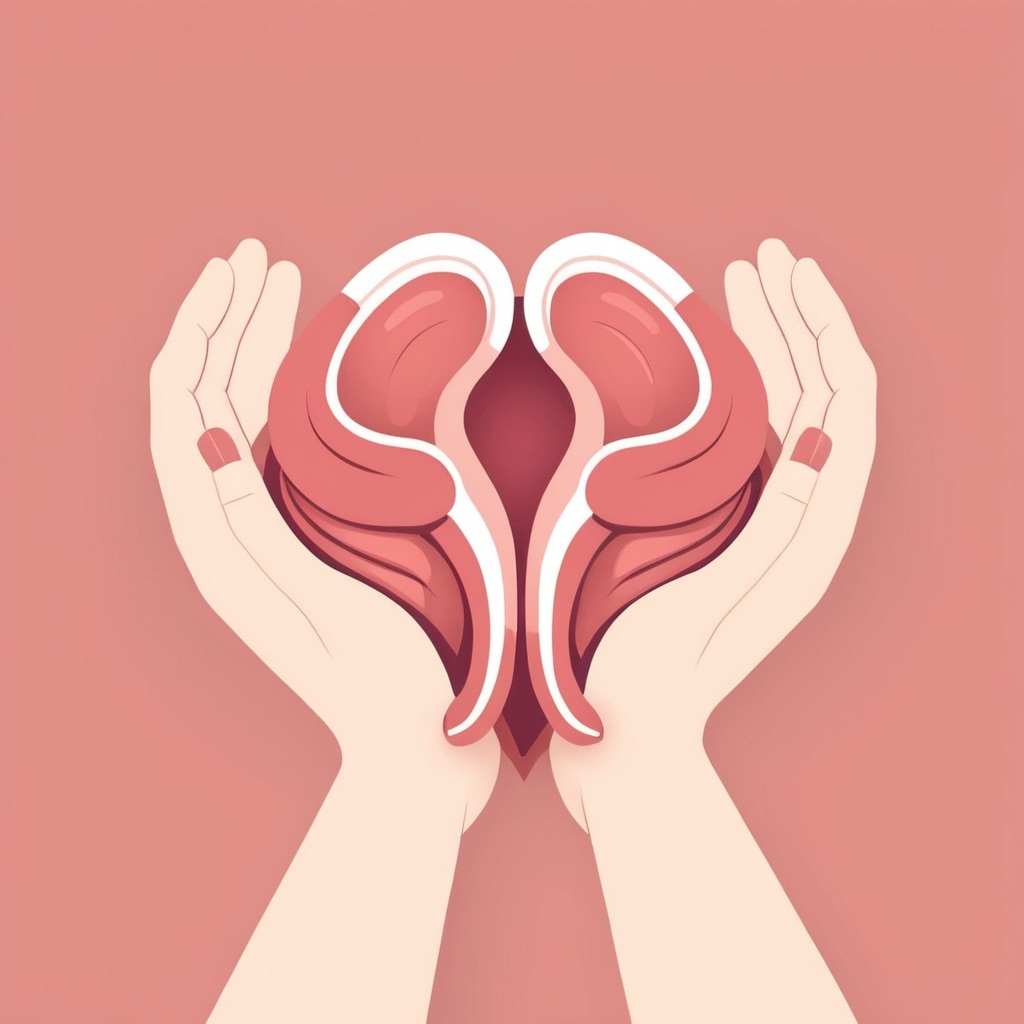
Wish #4: I wish they had discussed the long-term implications of procedures. For example, a myomectomy can cause scarring that impacts future pregnancies. Similarly, the recovery process for Uterine Fibroid Embolisation (UFE) is often significantly undersold; research shows it can take 2-3 weeks to return back to work. This doesn’t sound as “minimally invasive” as it’s often presented.
Wish #5: I wish they presented all the options, not just the one they specialise in. It would be so beneficial for patients to receive the full picture. I’ve found that those who go private can access treatments like Sonata, which has proven successful and less invasive. Even if a patient is on the NHS, having this information allows them to make an informed choice- if they can find a way to fund it privately, shouldn’t they have that right? This limitation of information leaves less room for resolution. It frustrates me to know women are left to suffer, sometimes forced into hysterectomy or facing other ailments because of delays.
The invisible symptoms: It’s not all in your head
Wish #6: I wish they had asked me how I was feeling, not just how I was bleeding. The anxiety, depression, body image issues, and sheer exhaustion are real. It would have meant the world to be sincerely asked how I was coping, instead of feeling like “another patient” complaining about her period. I’ve often found doctors to be standoffish and matter-of-fact, with no human empathy for such a serious life disruption.
Wish #7: I wish they had normalised the grief. To feel seen in a moment of confusion, anxiety and depression would help to rebuild trust in healthcare. Grief for the life you had before the pain, grief over body changes, and grief over fertility worries are all valid and deserve acknowledgment.
Wish #8: I wish they had recommended support resources. A simple referral to a therapist specialising in chronic illness or recommendations for support groups and blogs (like mine, hehe!) would be life-changing. It would directly address the profound loneliness we so often feel.
How to become the expert of your own body
It has been a long journey. If you’re like me, you get to a point where you understand the system and feel a fierce urge to take control. We know when our bodies don’t feel right. I have my days when I am fed-up of the process, the pain, the exhaustion, and the disruption.
Many of us weren’t taught about our menstrual cycles or the signs to look out for. We’re told it’s “normal” to experience crippling pain or heavy flow, which is so far from the truth. The realisation I had was this: I need to be my own biggest advocate.
It’s important to start taking control, especially in healthcare settings. Here’s what helps me:
- Come to appointments prepared: Bring a list of questions and don’t leave until they are answered.
- Bring a buddy: A second set of ears is invaluable when receiving overwhelming information. They can also keep you grounded and ensure your concerns are heard.
- It’s ok to have a second (or third!) opinion: Your comfort and trust in your care plan are paramount. If you’re not satisfied, find another doctor.
- Trust your intuition: You know your body better than anyone. If something feels wrong, listen to that feeling.
It’s fair to say that healthcare, in my experience over the last 8 years, often provides a fragmented view of fibroid care focused solely on medication and surgery. Seeking a holistic understanding of our condition isn’t rebellious- it’s necessary.
While I wish I had known all of this from the start, this journey has led me to a place of empowerment and healing I didn’t know was possible. I’ve connected with an incredible community of women who are sharing, learning and healing together and it’s truly inspiring.
What do you wish you had been told? Let’s share and support each other in the comments below.
Until next time, happy healing.
Mon x