

The symptom we don’t talk about enough
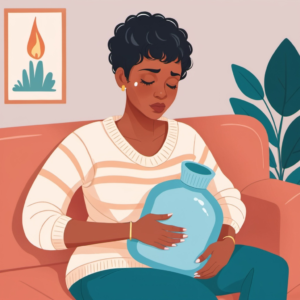
One of the biggest things I discovered this year was the relationship between gut health and fibroid growth. I had no idea that bloating, stomach aches and constipation were all connected to fibroids. The pressure I’ve felt in my stomach has been so intense at times that I’ve curled up in a fetal position, unable to move for a few hours. It’s been unpleasant, exhausting, and honestly something I still struggle with today.
So if you’ve been experiencing this too, please know – you are not alone, and you are definitely not imagining it.
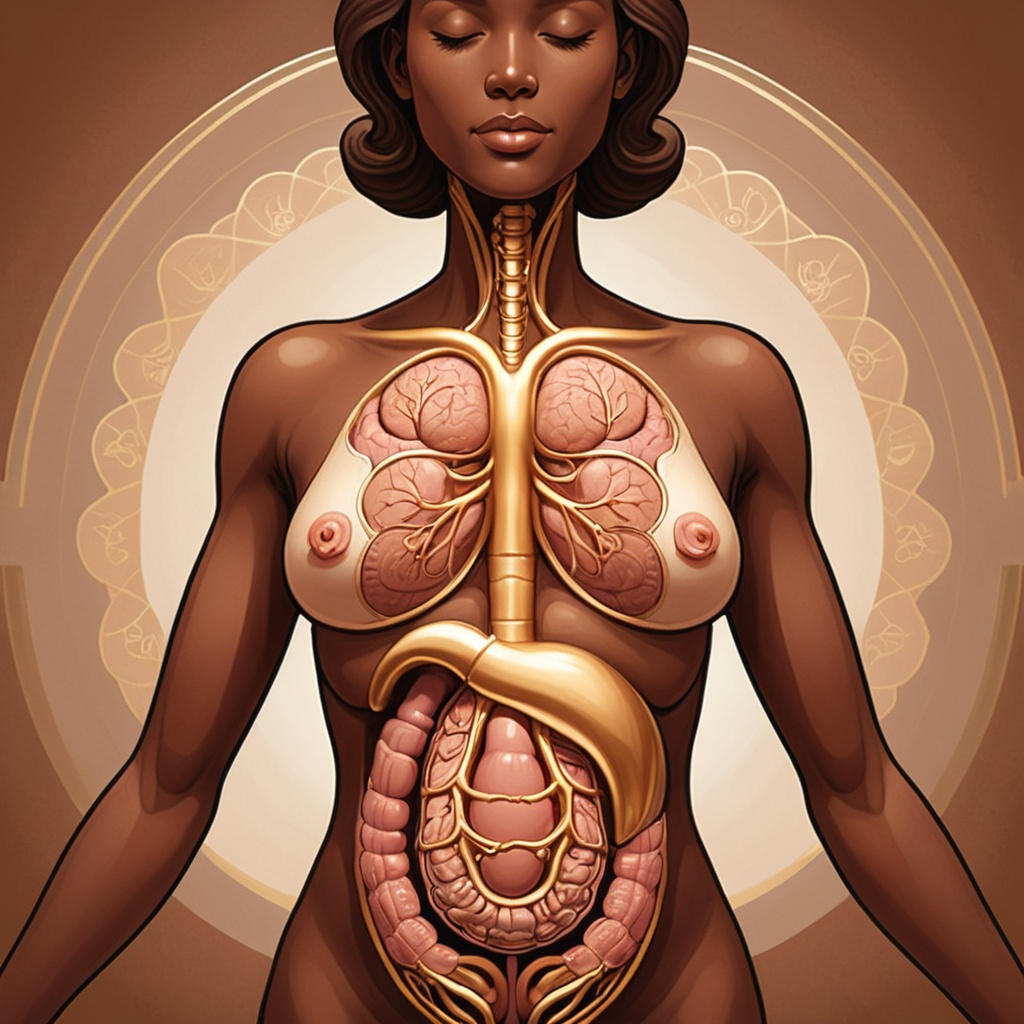
If you weren’t aware, the womb sits very close to the intestines. When fibroids grow, they can press against:
- The colon
- The small intestines
- The stomach
This pressure can lead to bloating, difficulty passing stools, feeling full quickly, nausea and lower abdominal tightness. When you understand how close everything is inside the body, it honestly makes sense why these symptoms show up – they are connected.
Why bloating is so common for women with fibroids
There are so many reasons why bloating shows up during a fibroid journey. Some of the biggest ones include:
- Hormonal imbalance causing water retention
- Estrogen dominance slowing down digestion
- Inflammation around the uterus
- Trapped gas from internal pressure
- Emotional stress tightening the gut
As you can see, there are a few things happening at once – and gut health, hormone balance, medication and stress can all play a role in fibroid growth and symptoms.
There is a huge connection between the gut and hormone balance. Your gut affects your hormones, your hormones affect your womb, and when digestion becomes sluggish, it can worsen estrogen dominance, inflammation and heavy bleeding. The gut issues you’re experiencing may also be triggering inflammation in your womb.
Not only is your womb calling for help – your gut is too.
My personal gut health symptoms (Before I connected the dots)
The symptoms that I have experienced – and in some cases still experience – have been challenging. They’ve left me confused, fraustrated and often in pain.
Over the last six years, constipation has been one of my biggest struggles. It has been so intense at times that I’ve had to use suppositories. The waiting game of trying different laxatives, hoping something would work, was frustrating because nothing was addressing the actual issue. It felt like my bowels just weren’t functioning at all.
The idea of needing to use suppositories felt embarrassing, but honestly… the relief afterward was incredible. Haha!
I’ve also dealt with intense bloating after even small meals, as if I’d eaten a huge plate of food. The stomach pains often felt like trapped gas wrapped in sharp cramps – truly excruciating.
And I’ll be honest: I don’t have it all figured out, because I’m still learning. What I do know is that when I’m consistent, I feel my best.
For me, that looks like:
- Staying commited to juicing
- Reducing carbs
- Keeping on top of my vitamins and supplements
When I fall out of rhythm or let the world and my own internal distractions take over, it’s very easy to slip back. And as I’ve shared, slipping back can set me behind on my healing – so I always have to pick myself up and realign again.
Emotional Connection: Stress, Overthinking & the Gut

One thing that has helped me understand my symptoms more is paying attention to how my body responds to situations, people and environments. Your body communicates stress loud and clear. For me, it often showed up as:
- Bloating
- Cramps
- Constipation
- Tightness in my lower belly
All with an underlying message my body wanted me to hear
To tune into myself, I use solitude and breathwork. I sit with my body to understand what it needs – and what it needs less of. Journaling has also become an important part of releasing fears, worries and negative thoughts, while also keeping me accountable to my daily goals.
When to seek medical attention
Some gut symptoms should never be ignored. Please speak to a medical professional if you experience:
- Extreme abdominal pain
- Rapid swelling
- Blood in your stool
- Vomiting
- Fever
- Sudden weight loss
- Severe constipation
Your body deserves to be listened to – even if the signs feel small at first.
Final reflection: Learning to listen to your body again
Looking back, I’ve realised how important it is to be honest with yourself about what you’re consuming and how your body is responding. If something needs to change, then it’s time to make that change – especially if you want to move forward in your healing journey.
Take time to listen to your body.
Don’t ignore the whispers coming from your gut or your womb.
And always reach out to a medical professional when something doesn’t feel right.
I hope you enjoyed this post.
If you did, don’t forget to like, comment and share.
Happy Healing
Mon x